
Career Mode
Professional Ship Simulator career mode explained: how XP, credits and licence tiers unlock bigger commands, and the fastest route from harbour operator to professional captain.
Introduction
Career mode is the long game and the reason the smaller hulls matter. You begin as a small harbour operator with one service vessel and a handful of credits, and you finish as a professional captain running heavy commercial commands on demanding routes in poor weather. The currency of that journey is twofold: credits pay for ships and repairs, while experience unlocks the licence tiers that make the bigger contracts available in the first place. Mission payouts scale with difficulty, with the weather you chose to sail in and with how precisely you handled the job, so the fastest progression usually comes from doing ordinary work very well rather than from chasing the most dangerous contract on the board. This section covers how the ladder is structured, where the bottlenecks really are and how Fast Travel fits into a sensible progression plan.
Progression Ladder
| Stage | What You Command | What Unlocks Next | Watch Out For |
|---|---|---|---|
| 1 | One service vessel in a minor harbour | Tutorial and entry-level contract access | Spending your first credits on a hull you cannot use |
| 2 | A small working fleet | Better-paying contract families and larger hulls | Ignoring repair costs when budgeting for a purchase |
| 3 | Mid-tier commercial vessels | Heavy transport and offshore work | Taking a big contract without a tug on standby |
| 4 | Heavy commercial commands | Top licence tiers and the largest hulls | Treating the biggest ship as the end goal rather than a tool |
Progression Systems
Experience and Licences
The gate that decides which hulls and contracts you are allowed to take.
Credits and Payouts
The currency that buys ships, fuel and, unavoidably, repairs.
Fleet Expansion
Why a mixed fleet usually beats one large ship for steady income.
Fast Travel
Repositioning between regions without restarting your progression.
Core Mechanics
The career structure rewards precision more than heroics, and that is the single most useful thing to understand about it. Payout is influenced by mission difficulty, the weather conditions you accepted and the quality of your handling, which means a boring ferry crossing completed flawlessly can beat a dramatic rescue that ended with a dented hull. Licences act as gates rather than as currency: they check that you have accumulated the experience the developers consider necessary before they hand you a hull capable of doing serious damage. In practice this creates three bottlenecks that every captain hits — the first few credits, the mid-game transition from small craft to commercial hulls, and the long climb toward the top licence tier.
Advantages
Career mode is where the simulation's structure genuinely shines, because the progression curve teaches you in the same order a real career would. Credits earned on easy work buy the next hull, that hull's limitations push you toward understanding a new system, and the licence that follows opens the family of contracts that system was designed for. Because there are multiple regions and more than forty harbours, you also have real choice about where to base yourself and what kind of operator to become. Fast Travel exists to stop the map size becoming a tax on that choice, letting you reposition between regions without throwing away the progress you have banked.
Challenges
The honest weakness is that the numbers behind the ladder are largely undocumented. Exact licence thresholds, the precise contribution of weather and handling quality to a payout, and the real earning rate of each mission family are not published by the developers, so community testing carries most of the weight. Progress can also feel slow if you pick work that does not suit your current hull, and the temptation to buy a large vessel too early is strong because the credits look sufficient right up until the first repair bill. Finally, because Early Access content is still growing, some of what gates progression today may be rebalanced in a later build.
Frequently Asked Questions
How long does it take to reach the top licence tier?+
What is the fastest way to earn credits early?+
Should I use Fast Travel or sail between regions myself?+
Quick Tips
Budget for repairs before you budget for ships. A captain who keeps a repair reserve rarely gets stuck, while one who spends every credit on a new hull ends up unable to afford the fix after the first mistake and loses far more time than the purchase saved. Vary the mission families you accept rather than grinding one, since the ladder appears to reward breadth as well as volume.
Keep at least two different hull types as soon as you can afford them. Being able to accept both a harbour job and a transport contract smooths out the gaps between tasking windows, and it stops you from being tempted into a contract your only vessel is badly suited to. Do not spend your whole balance on a hull; an unrepaired vessel earning nothing is worse than a smaller vessel earning steadily.
Treat the first run in any new vessel as an unpaid training trip. Doing a short, easy contract for modest pay to learn a hull's stopping distance and thruster response is cheaper than learning those same lessons halfway through a high-value cargo run in bad weather. Review your fastest routes every few tiers, because contracts that were out of reach earlier become the obvious choice later.
Featured
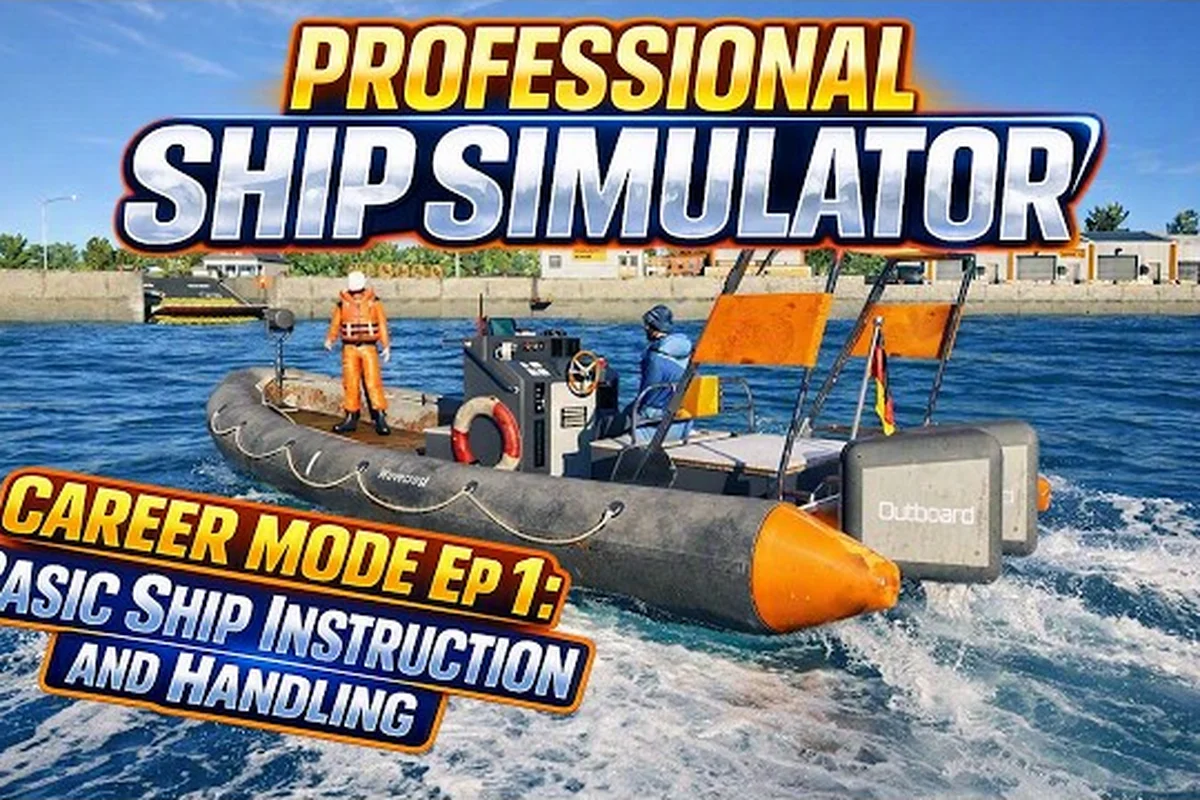
Professional Ship Simulator Career Mode: Captain Path
Build a full career in Professional Ship Simulator Career Mode, learning the XP loop, licence milestones, and captain progression.
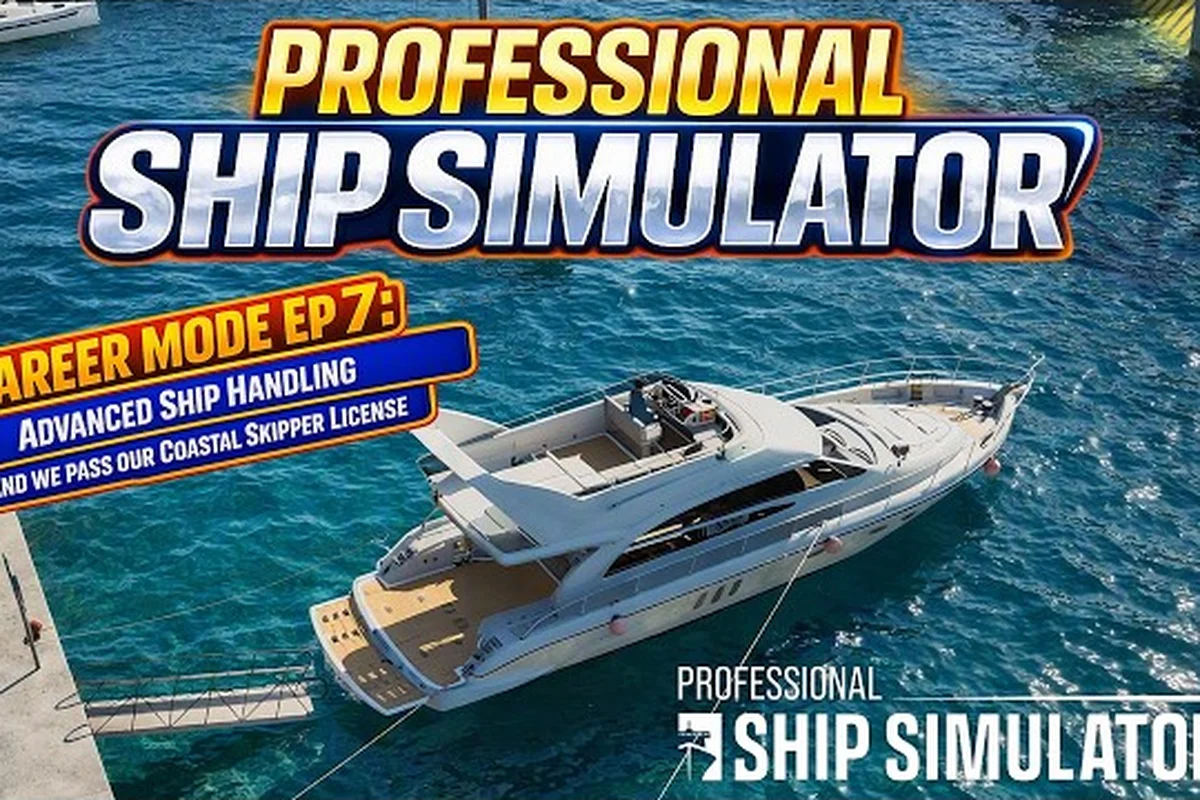
Professional Ship Simulator First Licence: Unlock Your Next Ship
Earn your Professional Ship Simulator first licence faster, with the XP grind, mission picks, and reward steps that finally let you expand your fleet.
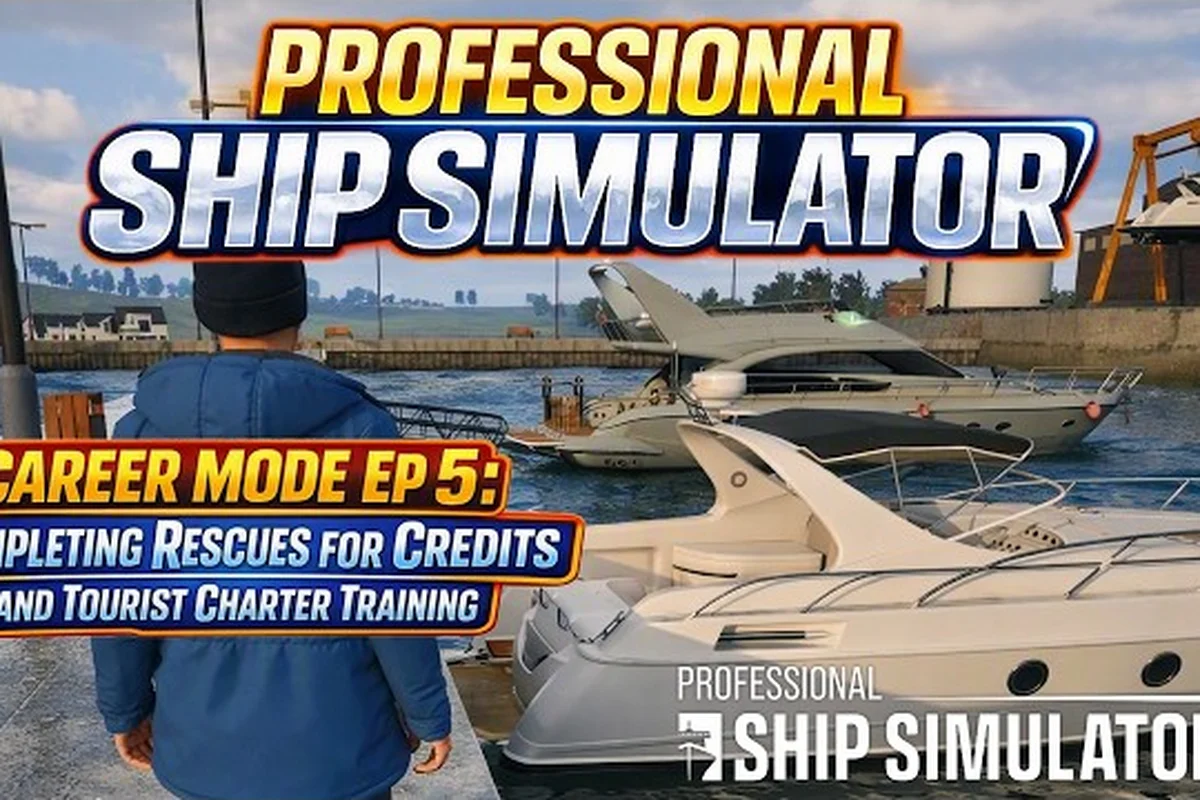
Professional Ship Simulator How to Make Money Fast in 2026
Stack credits in Professional Ship Simulator how to make money runs, from top-paying cargo, charter, and VTS fast-travel tricks to career mode grinding tips.
All Articles
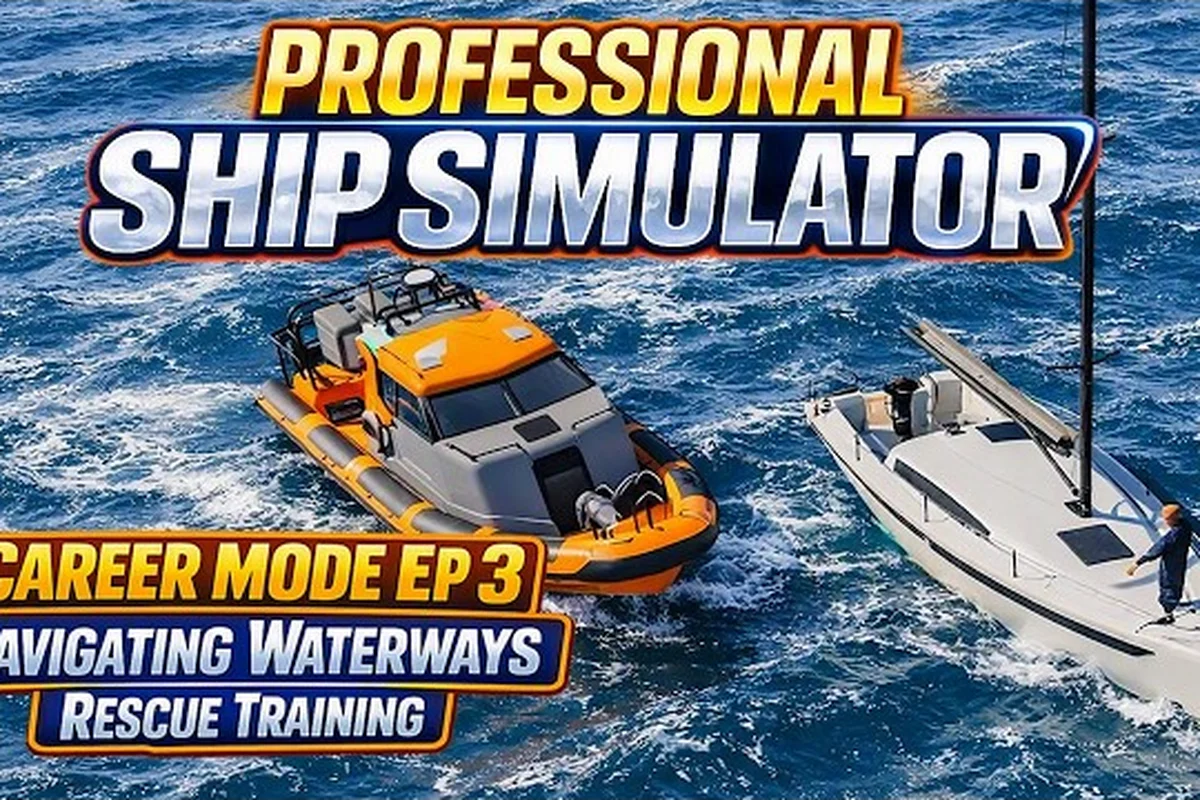
Professional Ship Simulator Licences: Every Tier and Unlock
Track every Professional Ship Simulator licences tier with XP thresholds, ship unlocks, and the fastest promotion path from coastal pilot to advanced endorsements.
Professional Ship Simulator Pilot Vessel Training Drills
Pass Professional Ship Simulator pilot vessel training with focused tug drills, advanced handling lessons, and berthing scenarios.
Professional Ship Simulator Ranks: Leaderboard Tips
Push up the Professional Ship Simulator ranks with the highest-XP scenarios, weather bonuses, and difficulty settings for the leaderboard.
Professional Ship Simulator Captain Rank: XP & Rewards
Climb the Professional Ship Simulator captain rank ladder with the XP sources, mission tiers, and unlock gates for bigger ships.